
Leadership transition comes as Marc Jacobs enters a new chapter under the ownership of G-III Apparel Group and WHP Global
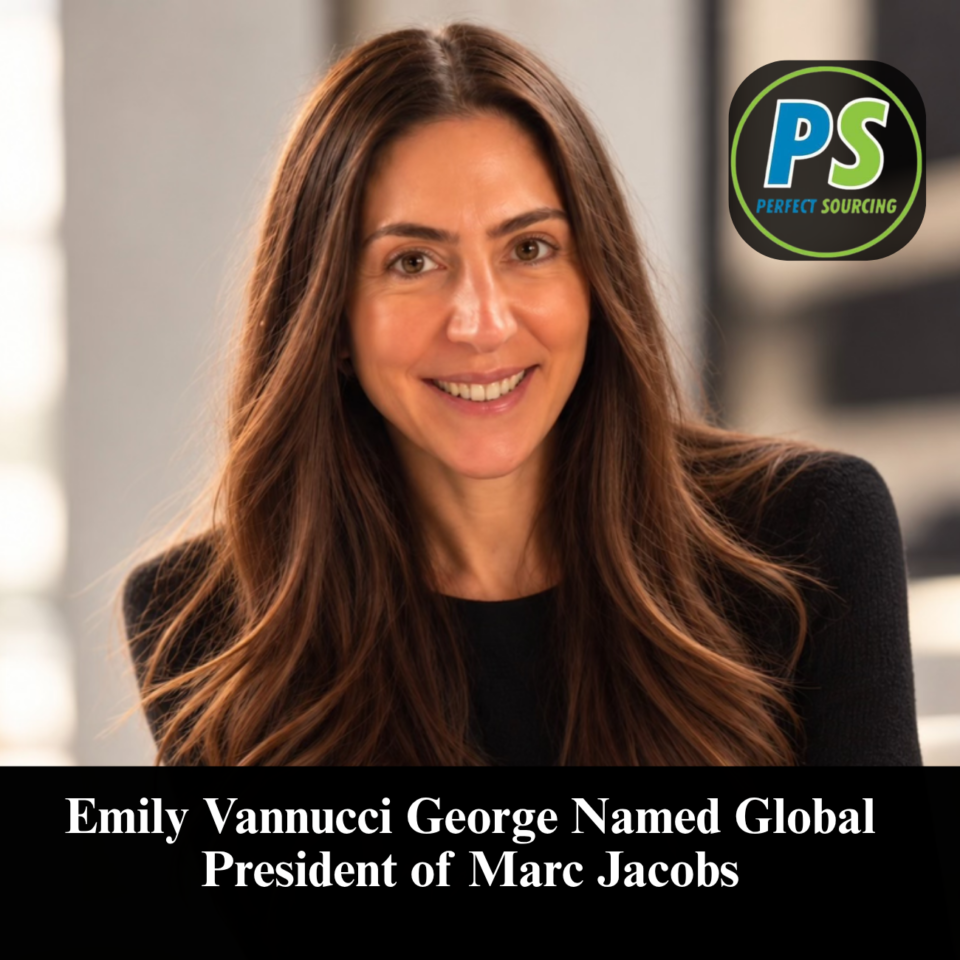
Marc Jacobs has appointed Emily Vannucci George as its new Global President, effective November 1, marking a significant leadership transition for the American fashion house as it prepares for its next phase of growth under a new ownership structure.
George, who began her career at Marc Jacobs as a Men’s Account Executive for Runway at the age of 25, returns to the company to lead its business and team. Her appointment comes as Eric Marechalle, who served as the brand’s Chief Executive Officer for nine years, prepares to leave at the end of October.
Sharing the news of her appointment, George expressed her excitement and gratitude, describing her return as a homecoming. She said she was proud and humbled to take on the leadership role and reflected on how her journey with the brand had come full circle. George also highlighted her enthusiasm for working with the Marc Jacobs team to shape the company’s next chapter.
Marc Jacobs himself will continue as the brand’s Creative Director, retaining responsibility for its creative vision and design direction. However, the changes in executive leadership and ownership signal a broader evolution in the business structure supporting the designer and his brand.
The leadership transition follows a major ownership development in September, when fashion company G-III Apparel Group and brand management firm WHP Global jointly acquired the intellectual property of Marc Jacobs from luxury conglomerate LVMH Moët Hennessy Louis Vuitton. Both companies reportedly invested $425 million each in the transaction, bringing their combined investment to $850 million.
The new ownership arrangement positions Marc Jacobs for a fresh phase of commercial development, with the expertise of G-III in fashion design, sourcing, distribution and retail, alongside WHP Global’s experience in brand management and global brand expansion.
George’s appointment brings leadership continuity through her longstanding association with Marc Jacobs, while the brand retains its creative identity under its founder. Her return also comes at a pivotal moment as the new owners establish their strategic direction for the business.
As Marc Jacobs enters this next chapter, the combination of familiar creative leadership, a returning executive and new ownership could play an important role in shaping the brand’s future growth and global market positioning.
